


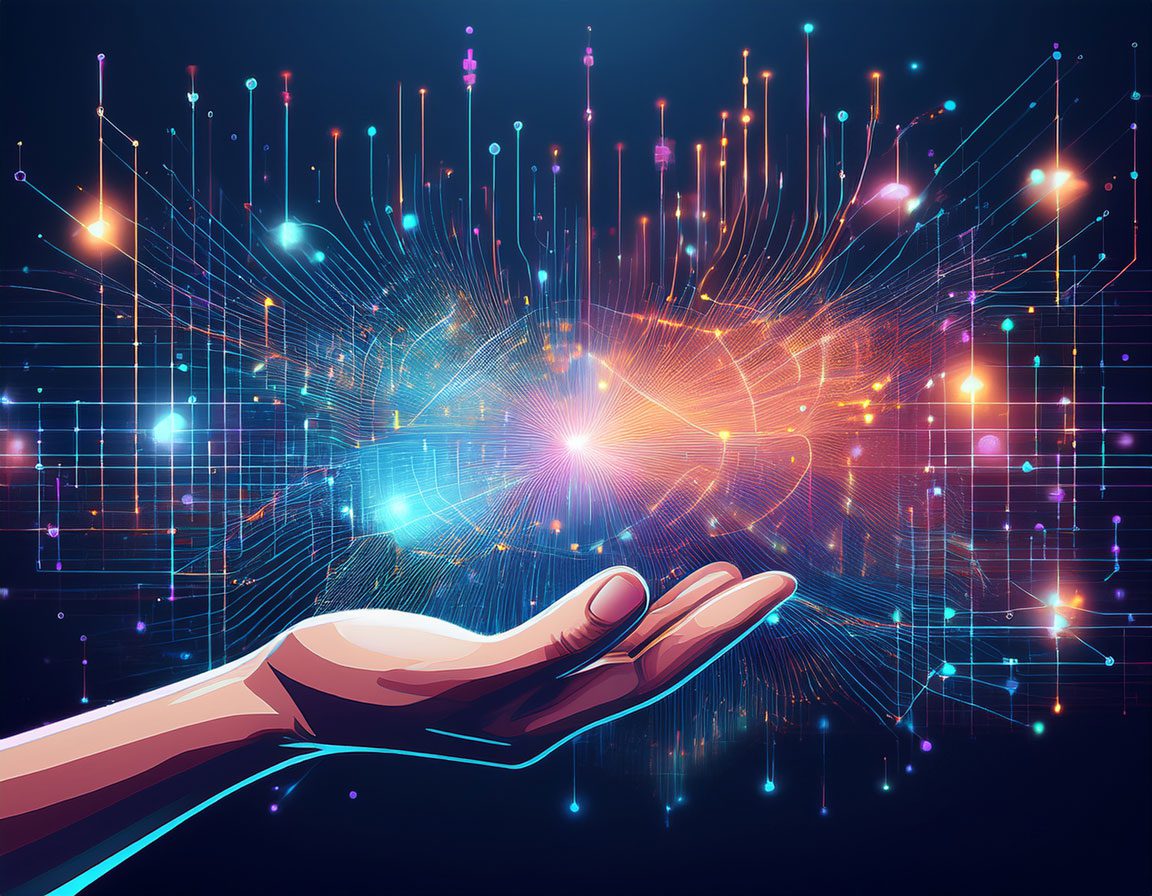
There’s no denying that AI has become one of the most talked about topics in design and marketing in the last year or so. From generating quick layouts to writing copy in seconds, AI tools are changing the way creative professionals work. But as a designer with years of experience, I can confidently say one thing: AI won’t replace creativity, it’ll just reshape how we use it.
AI as a creative assistant, not a replacement
AI tools like Adobe Firefly, ChatGPT and Google’s Nano Banana are brilliant for speeding up certain parts of the design process. Need to generate quick concepts, test colour combinations or resize images for multiple platforms? AI can handle those repetitive or technical tasks in seconds.
But while AI can suggest, it can’t see. It doesn’t understand your audience, your brand story or the emotional response that great design creates. That human connection, the spark of an idea that comes from experience and empathy, is what turns a design from good to memorable.
How I use AI in my own design workflow
In my work, I see AI as an extra tool in the creative toolbox, one that helps me work smarter, not faster for the sake of it. Here are a few ways I use it:
Tidying up content: I often use tools like Grammarly or ChatGPT to help with grammar and phrasing (I’ve never claimed to be a great writer!). It’s a handy way to make sure everything sounds polished and professional.
Enhancing visuals: In Photoshop, AI tools like Generative Expand are brilliant for adjusting images to fit awkward shapes or layouts, for example, extending the edges of a photo to make it work better in a specfic shape. It’s also great for removing small distractions, like a bin in the background, that would have taken much longer to fix manually.
Solving coding problems: When I’m building or updating websites, I’ll often use AI to help me troubleshoot or understand bits of code, the kind of thing I’d previously have spent time Googling. It’s a quick way to find solutions or learn new techniques while keeping projects moving efficiently.
But every concept, layout and final piece of design is still shaped by human judgment. AI doesn’t have the intuition to know what will resonate with your audience, that’s where designers shine.
Why creativity still wins
Design is about communication and emotion. It’s about understanding a client’s goals, translating ideas visually and finding that balance between aesthetics and function. AI can generate an image but it can’t have a conversation about what your business stands for.
A good designer asks the right questions, interprets subtle feedback and brings personality and meaning into the work. That’s something no algorithm can replicate.
Blending technology and talent
The future of design isn’t human or AI, it’s both. The designers who will thrive are those who embrace new tools while keeping their creative instincts front and centre.
AI can help us move faster, explore more ideas, and experiment in new ways. But the heart of great design will always come from people, from curiosity, emotion and the drive to create something that connects.
In short: AI might change how we work, but it can’t replace why we design.
If you’d like to work with a designer who blends creativity with smart, modern tools, get in touch, I’d love to chat about your next project.